

What you need to know before you plan your trip to Switzerland
- Travel Requirement
- Travel/Medical Insurance
- About Switzerland
- Weather
- Transportation
- Accomodation
- Places to visit
- Feeding
- Caution
Travel Requirement
Check your travel requirement here
Travel Insurance
Travel insurance is not a legal requirement for entry into Switzerland; however, the Swiss government does not cover medical expenses for international visitors. It is strongly recommended to secure travel medical coverage when booking your trip. Before purchasing a new policy, consult your primary health insurance provider to verify whether your existing plan offers coverage abroad.
About Switzerland
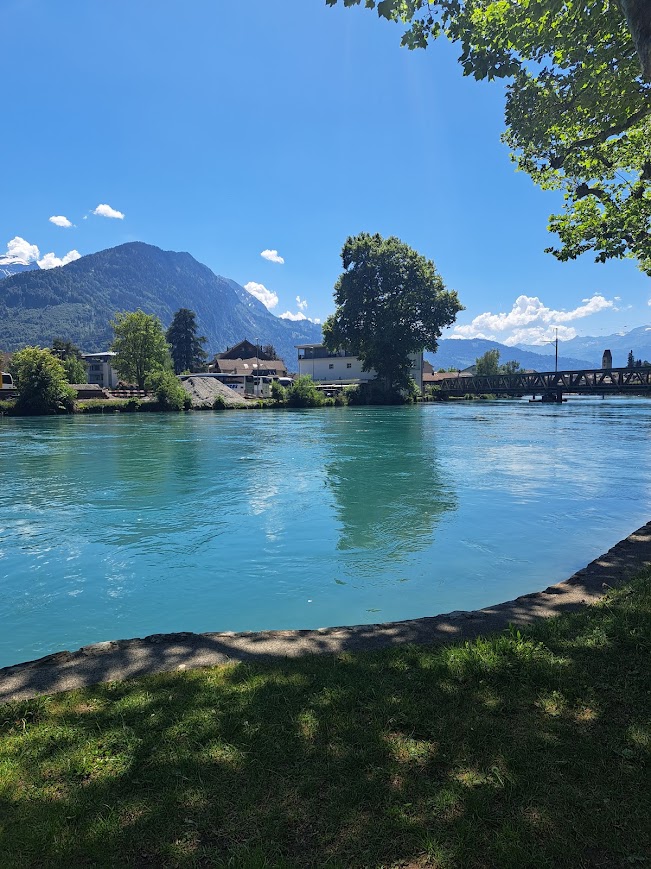
Switzerland is a central European country famed for its dramatic mountain peaks, crystal-clear lakes, and breathtaking natural scenery. Widely considered one of the most beautiful places on Earth, it offers a warm, welcoming culture with friendly locals. Thanks to a well-established transport system, touring the country is effortless. Its official currency is the Swiss Franc (CHF)
Switzerland attracts a diverse mix of affluent nature lovers, outdoor sports enthusiasts, luxury seekers, and cultural sightseers. Visitors are drawn to its dramatic alpine landscapes, world-class skiing, scenic train routes, and pristine lakes.
While Switzerland’s high wages and strong currency make it an expensive destination, smart planning can lower your costs. Train station convenience stores offer budget-friendly food options, and the Swiss Pass provides discounts on transit and major attractions. Given the country’s reliable rail network, you can also save by staying in affordable suburban accommodations and taking day trips.
Language: Switzerland has four official national languages: German, French, Italian, and Romansh, with German being the most widely spoken. English is also widely understood, especially in tourist hubs, hotels, attractions, and entry points.
Currency: The official currency is the Swiss Franc (CHF). Credit and debit cards—including pre-loaded travel cards like Wise—are accepted almost everywhere. However, carrying some cash is useful for small purchases. For the best exchange rates, convert your money before traveling, though exchange counters are available at major airports.
Weather
Summer (June – August)
- Conditions: Warm, pleasant days with lowland temperatures hitting 24°C to 28°C. High altitudes remain crisp, and humidity is low.
- Best for: Alpine hiking, swimming in lakes, and exploring high mountain passes.
- Things to know: Afternoon thunderstorms can occur in the mountains
Autumn (September – November)
- Conditions: September brings crisp, clear biking weather. October and November turn cooler with changing foliage, though heavy low-land fog can settle in late autumn.
- Best for: Wine harvest events, fewer crowds, and scenic valley walks.
- Things to know: Higher altitude mountain transport may close for maintenance before winter.
Winter (December – March)
- Conditions: Freezing temperatures with abundant snow in the Alps (-2°C to 4°C in lowlands). Low-lying cities are cold and frequently overcast.
- Best for: Skiing, snowboarding, winter walking, and visiting Christmas markets.
- Things to know: Mountain resorts are very busy, while some regions experience heavy valley fog.
Spring (March – May)
- Conditions: Changeable and rainy as snow melts in the lower valleys, with daytime highs climbing from 12°C to 20°C.
- Best for: Seeing waterfalls fed by melting snow and spring blooms.
- Things to know: High-altitude mountain hiking trails may remain blocked by ice and snow until late spring or early summer.
Transportation
Switzerland’s public transport system is world-renowned for being clean, safe, punctual, and seamlessly integrated. For tourists, the Swiss Travel Pass is the easiest way to travel across cities and countryside.
Passes & Tickets: Choose between First and Second Class tickets. Train carriages and headrests are clearly marked with a “1” or “2” to indicate the class. Ensure you purchase your ticket before boarding—either online, via printout, or through a barcode on your phone. Single tickets are also available at train station kiosks or online.
Extra Perks: The Swiss Travel Pass includes free access to select boat tours and museums, as well as half-fare discounts on mountain railways and mobility services. Always ask at venues and transit points to see if discounts apply to your pass. Click here to see the partners of the Swiss Travel Pass
Accommodation
Book Early: Secure affordable accommodations and hostels well ahead of your travel dates to get the best pricing.
Base Location: Choosing accommodation in or near Zurich makes a great budget-friendly base. Thanks to Switzerland’s efficient transport system, you can easily take quick day trips to major destination cities like Interlaken, Lucerne, Bern, Stein am Rhein, and Winterthur.
Feeding
Switzerland offers a wide range of dining options to fit any budget.
- Dining Out: Expect street food or casual takeaways to cost around CHF 15–20 per person, while sit-down restaurant meals typically average CHF 40–50 or more.
- Budget Grab-and-Go: For affordable snacks and ready-to-eat meals, major supermarket chains like Migros and Coop offer great value. Their locations at major train stations feature extended daily hours (often open late and on Sundays), making them ideal for budget-conscious travelers on the go.
Places to Visit
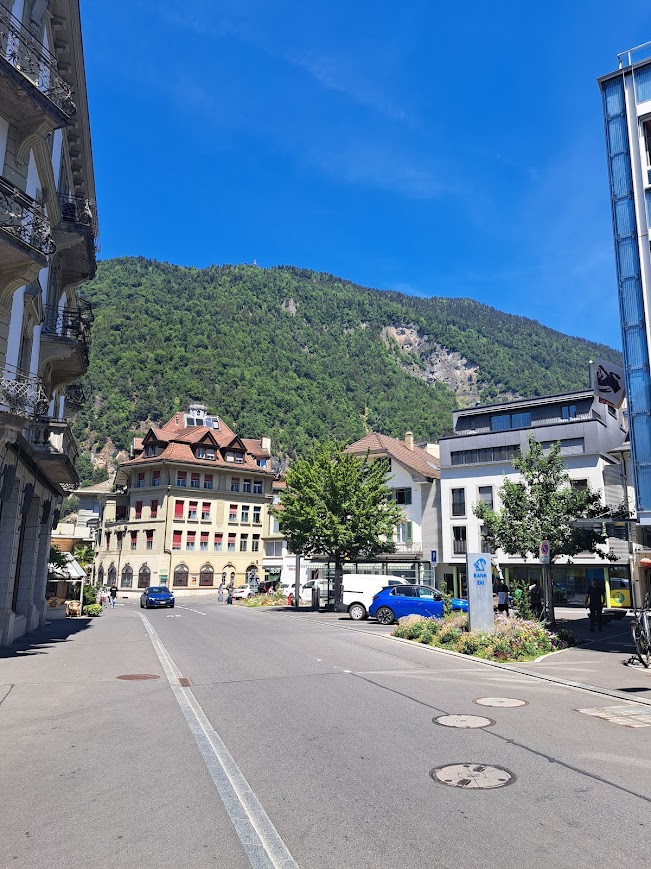
- Interlaken: Renowned for its stunning mountain landscapes and crystal-clear lakes (Lake Thun and Lake Brienz). Popular activities include scenic hiking, paragliding, and boat cruises.
- Lucerne: A classic Swiss destination known for its scenic lake boat rides, historic monuments (like the Chapel Bridge), and rich selection of museums.
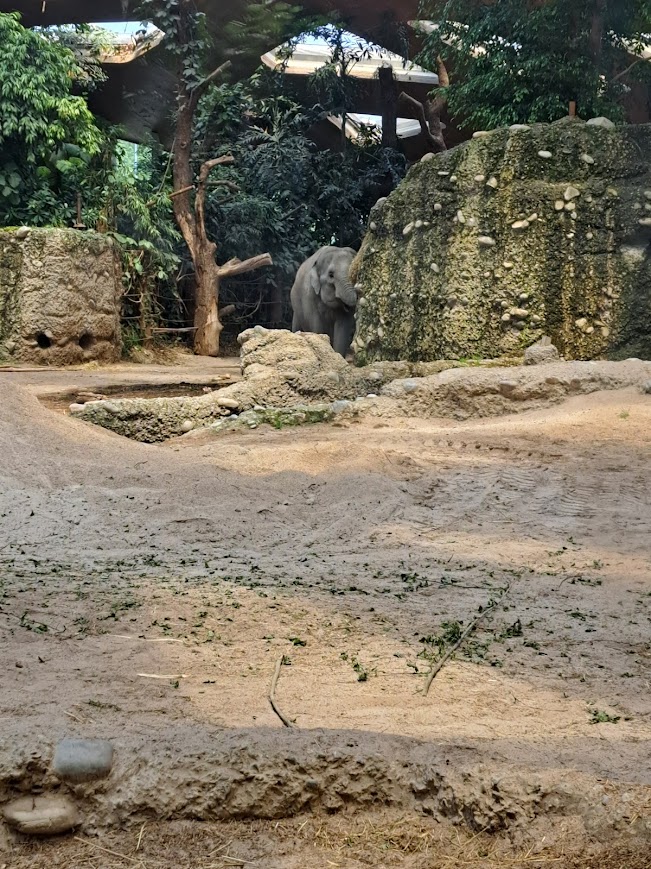
- Zurich: Great for exploring urban culture, visiting the world-famous Zurich Zoo, taking a tour of the Lindt Home of Chocolate factory, and admiring the grand architecture of the main train station.
- Grindelwald: An ideal hub for outdoor enthusiasts and hikers. Stroll through the charming village, enjoy the local art and architecture, or tackle nearby alpine trails like the First Cliff Walk.
Caution
Airport Arrival: Passing through security and immigration can take a considerable amount of time. Plan to arrive at the airport at least 3 hours before your scheduled departure, as check-in and passport control queues can be quite long during peak travel hours.
Train Station Restrooms: Public restrooms at Swiss train stations typically require a small fee to enter (usually around 1 to 2 CHF). Keep some Swiss Franc coins on hand for easy access when needed, though many modern restrooms now also accept contactless credit cards or mobile payments.