
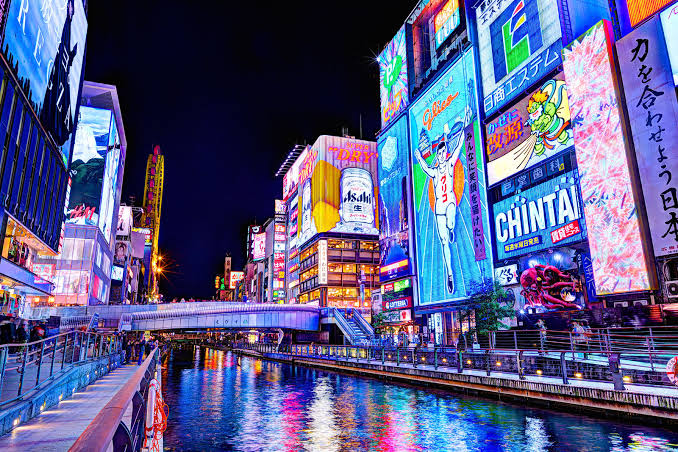

Planning your first trip to Japan? From navigating bustling metro stations and managing IC cards to understanding local laws and dining etiquette, here is everything you need to know for a smooth, hassle-free adventure.
The Ultimate Japan Travel Guide: Transit Tips, Etiquette, Rules & Essential Cheat Sheet
Japan is renowned for its breathtaking landscapes, vibrant cultural heritage, and seamless blend of ancient traditions with ultra-modern technology. Drawing millions of travelers each year, this incredible archipelago offers incredible cuisine, iconic sights, and unparalleled safety.
However, navigating daily life in Japan comes with unique social rules, legal requirements, and transit logistics. To help you travel like a seasoned local, we’ve put together this comprehensive guide alongside a handy downloadable cheat sheet.
🚨 1. Legal Requirements & Essential Regulations
Before packing your bags, it is critical to understand a few unique legal regulations in Japan to ensure you avoid fines or complications at customs:
📄 You MUST Carry Your Physical Passport
In Japan, foreign tourists are legally required to carry their physical passport at all times. Police officers have the authority to request identification on the spot.
- Note: Digital scans or paper photocopies are not legally sufficient—always keep your actual passport safely on you.
💊 Prohibited Over-the-Counter Medications
Japan strictly enforces tough drug laws. Over-the-counter medications containing codeine, pseudoephedrine (e.g., Sudafed), or certain stimulants—commonly found in Western cold remedies, decongestants, and pain relievers—are strictly illegal to bring into the country.
- Prescription Medications: If you need to bring a supply of permitted prescription drugs exceeding 1 month, you must apply for an official import certificate (Yunyu Kakunin-sho) prior to your trip.
🏥 2. Visa, Emergency Services & Medical Care
While standard tourist visits do not require proof of travel medical insurance, getting a comprehensive travel policy is strongly recommended. Japan does not provide free medical care to tourists, making foreign visitors fully responsible for all out-of-pocket medical expenses.
💡 Emergency Medical Quick Reference
- Dial 119: Request emergency medical assistance or an ambulance anywhere in Japan. Ambulance dispatch is free, but all medical treatment, examinations, and hospital stays are billed to the patient.
- Japan Visitor Hotline: Call
+81-50-3816-2787for 24/7 multilingual support, travel guidance, or English-friendly clinic recommendations.- Paying at Clinics: Japanese clinics typically do not process direct billing with foreign insurers. Be prepared to settle your bill upfront (smaller clinics often require cash Yen). Always request an itemized receipt (recept) and formal medical certificate for insurance claims later.
🚆 3. Navigating Public Transit & Train Stations
Japan’s train networks are world-famous for punctuality, but massive hubs like Tokyo, Shinjuku, or Osaka stations can be overwhelming.
       [ Platform Arrival ]
                 │
                 ▼
    [ Check App for Exit Name/No. ]
                 │
                 ▼
    [ Follow Color-Coded Signs ]
                 │
                 ▼
     [ Tap IC Card or Credit Card ]
                 │
                 ▼
       [ Street Level Station Exit ]
Essential Transit Tips:
- Note Your Exit Name/Number: Stations like Shinjuku feature over 200 exits spread across multi-level underground corridors. Check Google Maps or NAVITIME for the recommended exit name before stepping off the platform.
- Allow Transfer Time: Platforms operated by different transit companies can be several minutes apart. Give yourself generous transfer cushions.
- Follow Color-Coded Signage: Station signs feature English line names alongside distinctive color-coded icons and directional arrows.
- The Midnight Cutoff: Trains and buses do not run 24/7. Most public transit shuts down around midnight (12:00 AM – 1:00 AM) and resumes early morning around 5:00 AM.
💳 4. IC Cards & Modern Payment Systems
For seamless daily travel, using a contactless IC card (Suica, Pasmo, or Icoca) allows you to tap in and out at train gates, subways, buses, and even pay at vending machines or convenience stores.
| Device / Option | How It Works |
|---|---|
| iPhone Users | Add a digital Suica or Pasmo card directly inside Apple Wallet before departing, and reload using a credit card. |
| Android Users (Non-Japan) | Non-Japanese Android phones lack hardware compatibility for local digital IC cards. You will need a physical card. |
| Physical Tourist Cards | Pick up a deposit-free Welcome Suica or Pasmo Passport upon landing at major airports. |
| Credit Card Tap-to-Pay | Transit operators across Japan are rapidly adding contactless Visa, Mastercard, and JCB ticket gates. |
🏨 5. Hotel Choices & Dining Budgets
Accommodations
- Compact Sizes: Standard downtown hotel rooms in Japan are noticeably smaller than Western rooms. Keep luggage light where possible!
- Strategic Location: Book near major train lines and within walking distance of convenience stores (conbini). Since transit stops at midnight, staying central prevents expensive late-night taxi fares.
Daily Dining Budget
Dining out in Japan offers extraordinary quality across all price tiers:
- 🏪 Convenience Stores (7-Eleven, Lawson, FamilyMart):
¥700 – ¥1,000(~$4.50 – $6.50 USD)- Must try: Onigiri rice balls, egg sandos, hot fried chicken (Famichiki), cold green tea.
- 🍜 Casual / Fast Dining (Ramen, Gyudon, Teishoku):
¥1,000 – ¥2,000(~$6.50 – $13.00 USD)- Must try: Pork bone ramen, beef rice bowls at Yoshinoya or Matsuya, set lunch menus.
- 🍣 Mid-Range Restaurants (Izakayas, Sushi, Yakiniku):
¥2,000 – ¥6,000(~$13.00 – $40.00 USD) - 🥩 Fine Dining & Specialty (Wagyu, Omakase, Kaiseki):
¥6,000 – ¥12,000+(~$40.00 – $80.00+ USD)
💴 Cash Rule: While cards and IC tap payments are common in main cities, many mom-and-pop restaurants, ramen ticket machines, street vendors, and temples remain cash-only. Always carry Japanese Yen!
⛩️ 6. Must-Visit Destinations in Japan
- Kyoto: Wander through the enchanting Arashiyama Bamboo Grove, explore historic shrines, and experience tea ceremonies.
- Hiroshima: Visit the Peace Memorial Park and sample delicious Hiroshima-style okonomiyaki.
- Osaka: Tour the neon-lit street food hub of Dotonbori, visit observation decks, and see the Osaka Aquarium Kaiyukan.
- Nara: Tour ancient temples and feed the friendly, free-roaming bow deer in Nara Park.
- Nagano: Marvel at snow-capped peaks and visit the snow monkeys soaking in hot springs at Jigokudani Park.
- Hokkaido (Nakafurano): Visit Farm Tomita in spring and summer to witness massive, colorful lavender and flower fields.
🤝 7. Social Etiquette: Crucial Do’s & Don’ts
Respect for public space is central to Japanese life. Keep these ground rules in mind:
DO:
- ✅ Carry a small trash bag: Street garbage cans are rare. Keep your rubbish with you until returning to your hotel room.
- ✅ Stand on the left side of escalators: Keep the right side open for commuters in Tokyo/Kanto (and reverse on the right in Osaka/Kansai).
- ✅ Remove your shoes: Take off outdoor footwear when stepping into private homes, traditional inns (ryokan), temple halls, or tatami dining areas.
DON’T:
- ❌ Don’t tip: Tipping is not customary in Japan and may cause confusion. Exceptional service is built into the experience.
- ❌ Don’t talk on the phone in public transit: Keep phone calls off-limits and speak quietly on trains.
- ❌ Don’t eat while walking: Enjoy food directly near the storefront or vending machine where you bought it.
- ❌ Don’t stick chopsticks vertically into rice: Upright chopsticks resemble funeral offerings. Use the chopstick rest (hashioki).
- ❌ Don’t pass food chopstick-to-chopstick: Direct chopstick-to-chopstick transfers mirror Buddhist cremation rituals. Place food on a plate first.
📋 The Pocket Japan Travel Cheat Sheet
Bookmark or screenshot this quick cheat sheet for instant reference during your trip!
┌────────────────────────────────────────────────────────────────────────┐
│                        JAPAN TRAVEL CHEAT SHEET                        │
├────────────────────────────────────────────────────────────────────────┤
│ 🚨 LEGAL & MEDICAL                                                     │
│  • Passport: MUST carry physical passport everywhere!                  │
│  • Meds: No OTC codeine or Sudafed (strictly illegal).                 │
│  • Medical Emergencies: Dial 119 | Visitor Hotline: +81-50-3816-2787    │
├────────────────────────────────────────────────────────────────────────┤
│ 🚆 TRANSIT & LOGISTICS                                                 │
│  • IC Cards: iPhone (Apple Wallet) / Android (Welcome Suica card).    │
│  • Train Cutoff: Public transit shuts down at Midnight (~12:00 AM).    │
│  • Navigation Apps: Google Maps or NAVITIME for exit numbers.          │
├────────────────────────────────────────────────────────────────────────┤
│ 💴 MONEY & PAYMENTS                                                   │
│  • Cash: Keep Yen on hand for small restaurants and temples.           │
│  • Tipping: NEVER tip in restaurants, bars, or taxis.                  │
├────────────────────────────────────────────────────────────────────────┤
│ ⛩️ QUICK ETIQUETTE                                                    │
│  • Escalators: Stand on LEFT in Tokyo (RIGHT in Osaka).               │
│  • Shoes: Take off shoes before entering homes, temples, & ryokan.     │
│  • Quiet on Trains: Keep phone calls off and talk softly.              │
└────────────────────────────────────────────────────────────────────────┘
Final Thoughts
Japan offers an incredible journey full of discovery, exceptional food, and warm hospitality. By respecting local customs, preparing your transit tools early, and keeping these key safety rules in mind, you are all set for an unforgettable adventure!
Have questions about traveling to Japan? Leave a comment below!